


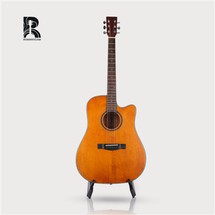
What is the difference between classical guitars and acoustic guitars and what type of guitar should you play as a beginner?
Both instruments are technically acoustic and come in a wide variety of types and sizes, but their names suggest some big differences between the instruments. When it comes to acoustic guitars, we are usually talking about "steel string acoustic guitars".
Nylon Strings vs Steel Strings
Classical guitars use nylon strings and acoustic guitars use steel strings. Nylon strings are larger diameter and lower tension than steel strings. The two different types of strings produce a very different sound. They also feel quite different with nylon strings being more gentle on your fingers and easier to push down to the fret (a generalization but true most of the time).
There are actually a huge variety of materials for nylon strings these days from clear nylon to composite materials with titles such as carbon, titanium, nylgut and many more. Some are much higher tension than others. The same goes for steel strings that have a variety of tensions.
Neck and Fingerboard Differences
Another big difference between classical and acoustic guitars is the neck profile and the string spacing on the fretboard. Because classical guitars are played with the fingers of the right hand, the strings in the left hand can be very crowded and specific, so the string spacing is wider than on an acoustic guitar.
Of course, there are various different models of guitars on both sides that tend to go one way or the other, but classical guitars tend to have much wider spacing. The contours of the neck also differ from classical guitars which have wider fingerboards and necks.
Body Size and Shape
There is a large variety of shapes and sizes for each type of guitar but the typical chord-strumming acoustic steel-string has a large body and string length. The build quality is also much different since acoustic guitars are built tough to withstand the tension of steel-strings and the type of use it generally gets. Also keep in mind the different ways we sit with the instrument and how the instrument is better suited to each.


